MOTOGP SAFETY TECH MAKES ITS WAY FROM TRACK TO ROAD RIDERS
21h ago·
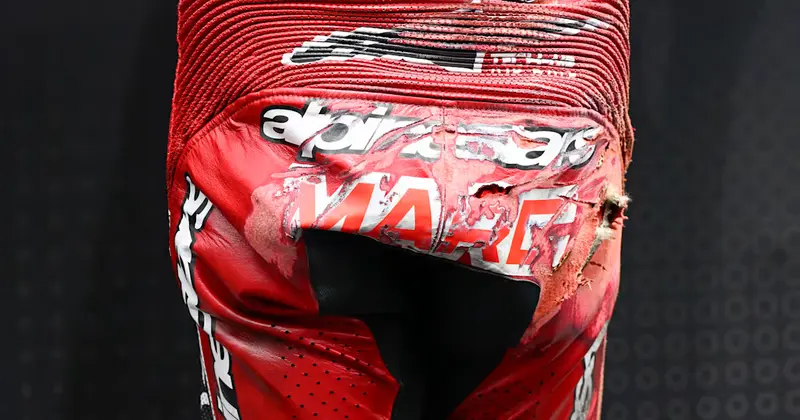
MotoGP is often viewed as a marketing showcase for motorcycle manufacturers, but LCR Team boss Lucio Cecchinello and VR46 team manager Pablo Nieto argue it also functions as a real-world development platform that ultimately benefits everyday riders. In their view, the sport’s most visible contribution to safety comes through the constant refinement of protective gear under extreme conditions—work that later feeds into products available to the public.
Nieto highlighted how MotoGP technology transfers directly into road equipment, pointing in particular to helmets and the airbag requirement in MotoGP leather suits. Speaking during a MotoGP.com talk, he said, “We use in MotoGP many technologies. I’m thinking of helmets and the airbag obligation in the leather suits.” He added that the knowledge gained in racing is carried into the following years of road use: “The things we use here in motorsport will be brought into road traffic in the following years.”
That connection between track and street has become especially tight, Nieto continued, not only in the branding and look of fan merchandise but in the quality and, in some cases, the exact same equipment. He stressed that riders can buy the same helmet their favorite driver uses and even the same leather suit for the road: “You can buy exactly the same helmet that your favorite rider uses. You can also buy the exact same leather suit for the road.” For Nieto, this overlap between elite racing and mass participation is unusual: “That’s not the case in many sports.”
Cecchinello broadened the discussion beyond clothing, emphasizing that electronic assistance systems—now common on modern road motorcycles—were pushed forward by racing development. As an example, he cited traction control, explaining that it was developed in MotoGP for road bikes and that it plays a major role in reducing the likelihood of crashes. “In motorsport, traction control was developed for road motorcycles,” Cecchinello said. “That’s a huge help to prevent falls.”
Both men also pointed to why the race environment matters: the track provides manufacturers with an intense testing ground to develop new technologies and gather experience. On the road, traction control can intervene depending on lean angle and riding conditions, while increasingly sophisticated rider aids support performance and safety.
However, Cecchinello believes responsibility doesn’t stop at technical progress. With MotoGP’s global reach, he argued the championship could do more to raise awareness of road safety. “We can inspire and influence millions of riders,” he said. He also called out those within the paddock, saying the message should be strengthened through team personnel: “I’m talking about us team managers and team members. But we should use the riders even more as representatives for the topic of safety on public roads.”
In that sense, MotoGP riders can serve not only as sporting role models but also as ambassadors for responsible motorcycle use. The underlying theme is that racing and safety are not opposites: technologies tested and proven under extreme track demands can later help protect riders on public roads.