EZPELETA SAYS PHILLIP ISLAND’S “LIMITATIONS” DON’T JUSTIFY ITS FUTURE ON THE CALENDAR
31 Aug·
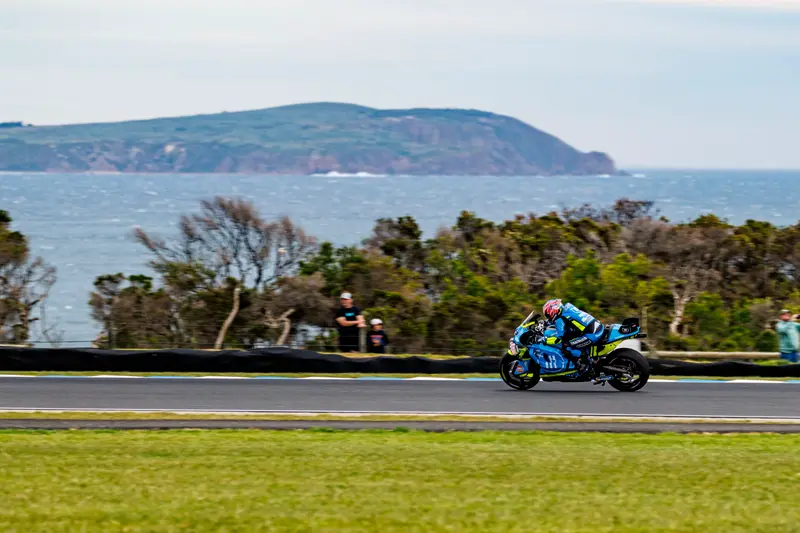
MotoGP Group deputy CEO Carlos Ezpeleta has defended the decision to end MotoGP racing at Phillip Island later this year, with the Australian Grand Prix set to move to Adelaide in 2026. Speaking to outlets including Motosprint at Aragon, Ezpeleta argued that while Phillip Island continues to deliver “exciting races,” the broader picture has been overlooked.
Ezpeleta said that, in his view, fans tend to remember the highlights rather than the drawbacks. “I’ve experienced many exciting races there, but people only remember the good times and not the many problems,” he explained. He pointed to the circuit’s remote location as a key factor, describing “several limitations” that make it less viable than a “city race” such as Adelaide. Among the issues he cited were “the roads, hotels, the availability of accommodation on the island, and the distance from Melbourne.” He also referenced a previous plan by the government to modernise facilities at the track, but added that Adelaide’s “potential is much greater.”
Australian riders offered contrasting perspectives. Casey Stoner acknowledged Phillip Island is “difficult” to reach, but insisted it was “worth it.” Jack Miller, who has been involved in promoting the Adelaide event, suggested the move could help MotoGP grow.
Ezpeleta’s comments came after the championship shared a virtual lap of the revised circuit layout on social media, aimed at easing safety concerns that had been raised about racing in an urban setting. The confirmed track configuration is expected to require significant environmental work, with hundreds of trees needing to be felled for construction. Organisers have said those trees will be replaced on a “10 to one basis.”
Looking ahead, Ezpeleta said the construction will only be finished a few weeks before the November 2027 race. He also framed the Adelaide project as a potential model for the Liberty Media era, saying: “We will create a unique experience for fans and professionals, then we will see if it can be replicated in other places in the world.”